
A Deep Dive Into the Ancient Art of Energetic Alignment
Step into any beautifully designed room and you can feel it—something just clicks. It’s more than just good lighting or thoughtful furniture. It’s invisible, but deeply felt. It holds you, nourishes you, and somehow, you breathe easier there.
That’s qi.
And that’s the essence of feng shui.
Feng shui is often mistaken for a style of décor, a spiritual superstition, or a list of home “hacks.” But at its core, feng shui is a living philosophy—a way of understanding how energy moves through our spaces and our lives. Rooted in thousands of years of observation, it is both practical and poetic, analytical and intuitive.
At The Good Space, we practice feng shui not as a trend or technique, but as a way of relating to space, self, and the rhythms of nature. It’s less about objects—and more about the energetics beneath them.
In this piece, we’ll explore the true foundations of feng shui: the nature of qi, the dance of yin and yang, and the resonance of the Five Elements. Whether you’re new to feng shui or deepening your journey, this is an invitation to see your home not just as a place to live—but as a mirror, a partner, and a sacred vessel for becoming.
The Origins: Feng Shui as the Study of Wind and Water
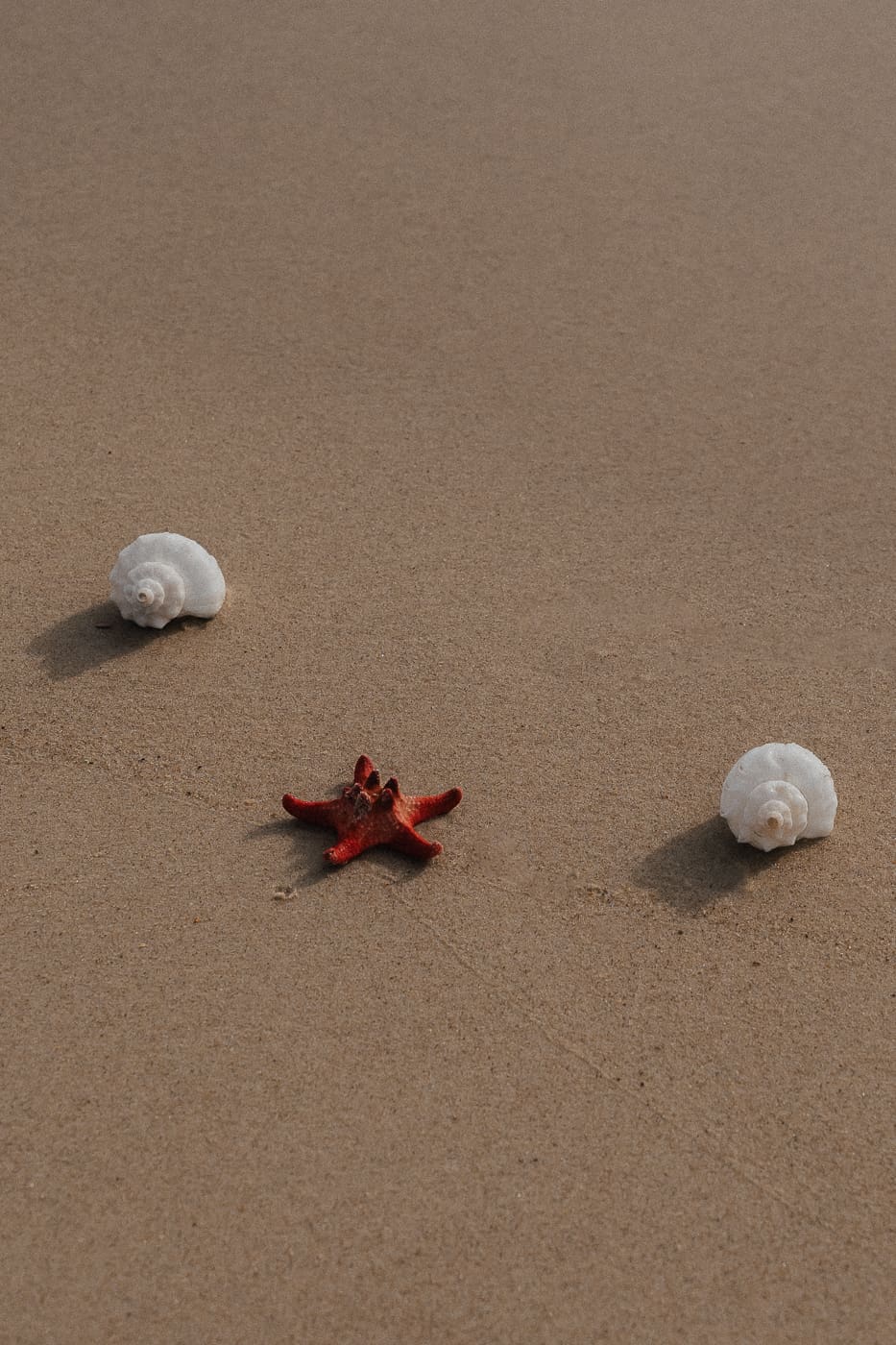
Soft waves lap against the sandy shoreline, reflecting golden sunlight while creating a peaceful atmosphere by the ocean. Seagulls occasionally glide in the distance, enhancing the tranquil vibe.
The term “feng shui” (风水) literally translates to wind and water—the two elemental forces that shaped ancient Chinese agricultural life. If the wind was too strong or the water stagnant, crops wouldn’t thrive. The early masters of feng shui were keen observers of nature. They studied the flow of rivers, the curve of mountains, the shifting patterns of sun and shadow—seeking harmony between human dwellings and the natural environment.
At its root, feng shui is the study of qi (气)—the invisible energy that animates all things. Wind carries qi. Water collects it. Homes, like bodies, are vessels for this energy. And when qi flows smoothly, so too does life.
Core Philosophy #1: Qi — The Breath of Life
Qi (pronounced “chee”) is at the heart of all Chinese metaphysical thought. It is life force, vitality, consciousness, atmosphere, current. It exists in your body, in nature, in architecture, in relationships, in the silence between words.
In feng shui, we assess how qi moves through your home. Is it rushing too fast—like a hallway that feels like a wind tunnel? Or is it stuck and stagnant—like a cluttered corner that never gets used?
The goal is not just to circulate qi, but to cultivate the right quality of qi in the right places. Gentle, nurturing qi in bedrooms. Bright, active qi in living and work spaces. Sacred, protective qi at entryways.
When qi is aligned, life begins to feel more fluid, more supportive, more whole.
Core Philosophy #2: Yin & Yang — The Dance of Balance
You’ve likely seen the black and white symbol of yin and yang—a circle of duality and unity. In feng shui, this principle is not just symbolic. It’s practical, architectural, and energetic.
Yin represents rest, stillness, darkness, softness, the receptive, the feminine. Yang is action, brightness, heat, movement, the expressive, the masculine. Every space needs both.
Too much yin? The space may feel sleepy, heavy, or disconnected. Too much yang? It may feel agitating, loud, or anxiety-inducing. A good feng shui consultation will observe how yin and yang play out in your space:
- Is your bedroom too yang (bright lights, electronics, bold colors)?
- Is your kitchen too yin (dim, cluttered, stagnant)?
- Does your home have pockets of pause and softness, balanced by areas of clarity and momentum.
This is the art of environmental modulation. Not about extremes, but about harmony. You want your home to exhale when you do. You want it to hold the rhythm of your life.
Core Philosophy #3: The Five Elements — Nature’s Blueprint for Balance
One of the most beautiful and nuanced aspects of classical feng shui is the Five Elements theory:
Wood, Fire, Earth, Metal, and Water.
Each element is more than a material—it’s an energetic archetype, a pattern that expresses itself through color, shape, movement, season, and emotion.
| Element | Energy | Shape | Color | Season | Emotion |
| Wood | Growth, expansion | Rectangular | Green, teal | Spring | Anger → Vision |
| Fire | Passion, brilliance | Triangular | Red, purple | Summer | Joy → Clarity |
| Earth | Stability, nourishment | Square | Yellow, taupe, clay | Late summer | Worry → Groundedness |
| Metal | Precision, refinement | Circular | White, brass, gold | Autumn | Grief → Discernment |
| Water | Flow, depth, wisdom | Wavy | Black, dark blue | Winter | Fear → Intuition |
When one element is overly dominant or missing, it affects the energetic tone of a space—and the emotional wellbeing of the people in it.
A deeply nourishing feng shui space will weave these five elements intentionally—not for symmetry’s sake, but for resonance.
In practice, we may:
- Add Water to encourage reflection and flow
- Use Earth tones to bring grounding in times of stress
- Strengthen Wood for momentum and personal growth
It’s less about things—and more about the feeling those things evoke.
Core Philosophy #4: The Directional Compass & the Natal Chart of Your Home
This is where Classical feng shui distinguishes itself from more Westernized forms.
Just as you have a natal chart based on your birthdate, your home also has a “birth chart”—based on the time it was built or last underwent major renovation, and its precise compass orientation. Using a Luo Pan compass, we map out this energetic blueprint, identifying how different sectors of the home influence wealth, health, relationships, career, and creativity.
Two primary systems we use at TGS are:
Flying Stars (Xuan Kong)
Flying Star feng shui recognizes that qi is not static—it changes over time, like the seasons of your life. We map nine stars (or energies) into a 3×3 grid across your home, each with its own qualities—some auspicious, others challenging. This allows us to:
- Understand where your home’s “timely” energy is
- Enhance positive areas and soften challenging ones
- Make adjustments that support your health, relationships, and career over time
Ba Zhai (Eight Mansions)
This system divides homes into eight sectors and helps us align you and your space based on your personal Gua number. We look at how your unique energy (based on your birth date) interacts with your home’s direction—revealing which areas are supportive, and which may be depleting.
Together, Flying Stars and Ba Zhai provide both a cosmic overview and a deeply personal strategy—so that we can work with the invisible currents shaping your everyday life.
The Westernization of Feng Shui: Quick Fixes vs. Energetic Strategy
You may have seen feng shui tips online like:
- Put a plant in the wealth corner
- Add a mirror to reflect energy
- Paint your front door red
These tips are often based on a Westernized system called BTB (Black Hat Sect Tantric Buddhist feng shui). While it made feng shui more accessible in the West, it simplifies and universalizes recommendations without taking into account direction, time, or personal energy.
At The Good Space, we don’t believe in one-size-fits-all solutions. We believe in reading the energy of your space first—and then responding with precision and grace.
Deep Feng Shui Is Not a Fix. It’s a Framework.
Feng shui isn’t something you “apply.” It’s something you live inside. It holds space for the seasons of your life. It evolves as you do. And it invites you to move through your day with more awareness of the way your space is already shaping you. At The Good Space, deep feng shui is:
- Less about superstition and more about energetic sovereignty
- Less about charms and more about clarity
- Less about adding more and more about revealing what’s already here
We practice Classical feng shui because it’s strategic, diagnostic, and deeply rooted. We layer in emotional, sensory, and ritual elements to create spaces that don’t just “look” good—but feel aligned, alive, and supportive of your becoming.
Feng Shui in Practice: What Changes When You Align With Your Space?
When your space is aligned, life doesn’t become perfect. But it often becomes clearer. More fluid. Less effortful. You may notice:
- Sleep deepens
- Conversations open
- Decisions land more easily
- Certain conflicts resolve without being “fixed”
- Creativity returns
- You feel more… like yourself
Because feng shui isn’t just about flow of energy. It’s about your ability to meet your life from a grounded, empowered place.
Begin Where You Are
You don’t need to understand everything at once. You don’t need to change everything overnight.The first step is simply noticing:
- How does your space feel when you wake up?
- What rooms nourish you, and which ones drain you?
- Is your home holding you—or are you holding it up?
That’s the beginning of feng shui. And from there, we can create the roadmap together.
Let’s Co-Create a Space That Holds Your Becoming
At The Good Space, we offer personalized consultations—both in-person and virtual—that blend Classical feng shui systems with a deeply intuitive, soul-aligned approach. Because your space isn’t just a container.
It’s a mirror. A partner. A sanctuary.
And you deserve one that’s working with you—not against you.